
The health risks associated with cigarette smoking are well established, particularly when it comes to cardiovascular disease. Smoking damages blood vessels, increases the risk of blood clots and contributes to life-threatening conditions such as heart attacks and strokes. However, an important distinction in discussions surrounding tobacco harm reduction is often overlooked: the difference between the effects of nicotine and the toxic substances produced when tobacco burns.
Cigarette smoke contains thousands of chemicals, including carbon monoxide, fine particulate matter and numerous toxic compounds that contribute to cardiovascular and respiratory damage. When tobacco is burned, these substances enter the bloodstream and trigger processes such as inflammation, oxidative stress and damage to the lining of blood vessels. Over time, this exposure significantly increases the risk of developing cardiovascular disease.
Nicotine, while highly addictive, has a different risk profile. It stimulates the nervous system, increases heart rate and blood pressure and can place additional strain on the cardiovascular system. However, much of the long-term cardiovascular harm associated with smoking is linked to the complex mixture of toxic substances inhaled through cigarette smoke.
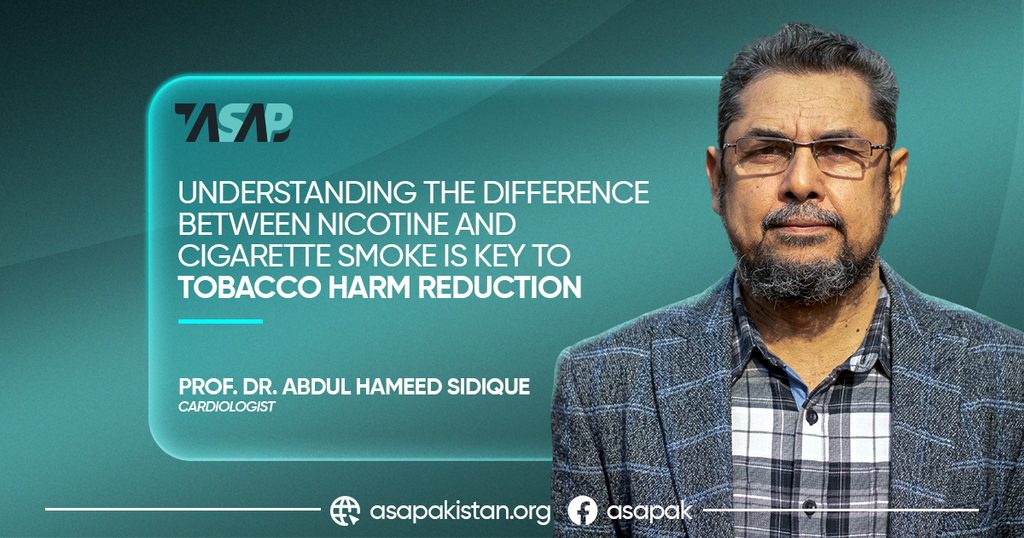
Explaining this distinction, Prof. Dr. Abdul Hameed Sidique, a cardiologist, said, “It is important to distinguish the effects of nicotine from the much broader toxic exposure caused by cigarette smoke. Nicotine is addictive and can increase heart rate and blood pressure, but many of the substances responsible for smoking-related cardiovascular damage are generated during combustion. A harm-reduction approach should recognise these differences while continuing to encourage smokers to quit completely.”
This distinction is central to the concept of tobacco harm reduction, a public health approach that seeks to reduce exposure to harmful substances among adults who continue to smoke. While complete cessation remains the most effective way to protect cardiovascular health, harm reduction examines whether switching entirely from combustible cigarettes to alternatives that do not burn tobacco could reduce exposure to certain toxic chemicals.
Smoke-free nicotine products, including nicotine pouches and heated tobacco products, eliminate or reduce some of the exposures associated with cigarette combustion. However, these products are not risk-free, their health effects vary and evidence regarding their long-term cardiovascular consequences remains incomplete. Reduced exposure to harmful chemicals should therefore not be interpreted as equivalent to eliminating disease risk.
For countries such as Pakistan, where tobacco use continues to place a substantial burden on public health, improving awareness of these distinctions can contribute to more informed conversations about smoking cessation and harm reduction. Public understanding must be supported by accurate medical information that recognises the risks of nicotine dependence while explaining the additional dangers associated with inhaling cigarette smoke.
Ultimately, the priority must remain preventing tobacco initiation, encouraging existing smokers to quit and reducing avoidable exposure to the toxic substances responsible for smoking-related disease. A scientifically informed approach to tobacco harm reduction can help strengthen these efforts by ensuring that public health discussions reflect the differences between nicotine dependence, cigarette combustion and their respective health consequences.