
Cigarette smoking remains one of the leading preventable causes of respiratory disease worldwide, contributing to conditions ranging from chronic bronchitis and emphysema to lung cancer. While nicotine dependence is a major reason people continue smoking, much of the damage to the respiratory system comes from the toxic chemicals released when tobacco burns. Understanding this distinction is increasingly important as public health discussions explore ways to reduce smoking-related harm.
Every time a cigarette is lit, tobacco combustion releases a complex mixture of thousands of chemicals, including carbon monoxide, fine particulate matter and numerous carcinogenic substances. When inhaled, these substances penetrate the respiratory system, triggering inflammation, damaging lung tissue and interfering with the body’s natural mechanisms for clearing harmful particles. Repeated exposure can gradually compromise lung function and contribute to the development of serious respiratory conditions.
One of the most significant consequences of prolonged cigarette smoking is chronic obstructive pulmonary disease (COPD), a progressive condition that restricts airflow and makes breathing increasingly difficult. Smoking is also a major risk factor for lung cancer, with prolonged exposure to carcinogens in cigarette smoke contributing to cellular damage and the development of malignant tumors.
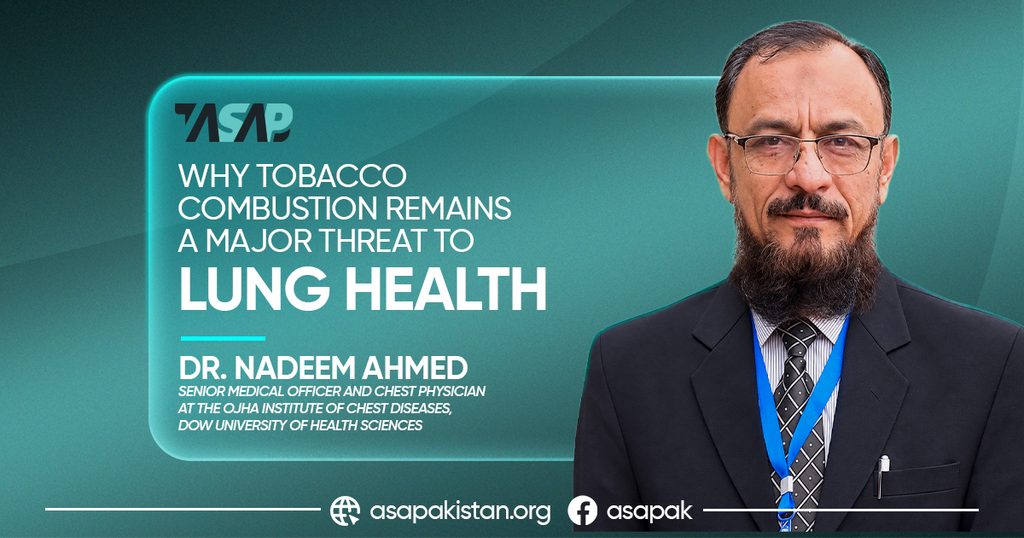
According to Dr. Nadeem Ahmed, Senior Medical Officer and Chest Physician at the Ojha Institute of Chest Diseases, Dow University of Health Sciences, the combustion process plays a central role in smoking-related disease. “Smoking-related disease is driven largely by the toxic substances produced by burning tobacco. Eliminating combustion can reduce exposure to many harmful chemicals, although it does not make tobacco products risk-free.”
His observation highlights an important principle underlying tobacco harm reduction (THR), which seeks to reduce the health risks associated with smoking, particularly among adults who continue to use tobacco despite efforts to quit.
Unlike conventional cigarettes, smoke-free alternatives such as nicotine pouches and heated tobacco products do not involve burning tobacco. Consequently, they can reduce exposure to many of the harmful chemicals associated with cigarette smoke, although the extent of reduction varies by product. Importantly, reduced chemical exposure does not automatically translate into an equivalent reduction in long-term disease risk, and further research is needed to establish the full health implications of these alternatives.
For smokers, quitting tobacco and nicotine use entirely remains the most effective way to protect respiratory health. However, for adults who would otherwise continue smoking, completely replacing combustible cigarettes with appropriately regulated, lower-exposure alternatives may offer opportunities to reduce certain health risks. Continuing to smoke cigarettes alongside alternative products can substantially undermine these potential benefits.
In Pakistan, where smoking-related respiratory illnesses contribute to the burden on healthcare facilities, greater public awareness of the role of combustion could support more informed decisions about tobacco use. Healthcare professionals also have an important role in communicating the differences between nicotine dependence, smoke exposure and the health consequences associated with various tobacco products.
Ultimately, reducing smoking-related disease requires a comprehensive approach that prioritizes prevention, cessation and evidence-based harm reduction. Recognizing the dangers associated with burning tobacco can help inform public health strategies aimed at reducing exposure to harmful substances while reinforcing the importance of quitting smoking altogether.